
Mojave Sidewinder
Crotalus cerastescerastes
Status: Least Concern
Size: Up to 30” long
Habitat: Sonoran and Mojave Deserts
At the Zoo: Reptile House
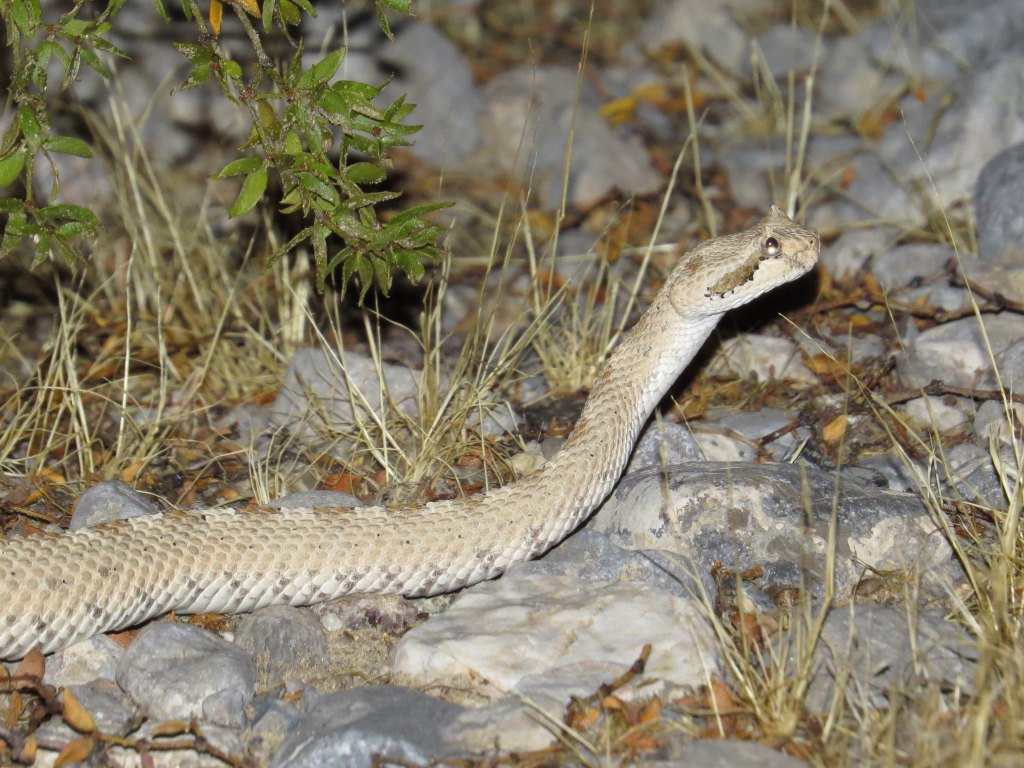
The sidewinder rattlesnake moves in a sideways motion by throwing its body into lateral waves with only two short sections touching the ground. Reducing body contact with the hot surface helps the snake survive the extreme temperatures of the desert.
Also known as the horned rattlesnake they have been clocked moving across the desert at speeds of up to 18 mph. Young snakes use a very interesting behavior to attract prey called “caudal luring” when they wiggle the tips of their tail to attract lizards who are fooled into thinking the moving appendage is a invertebrate prey item like a worm.
Up to 18 young are born covered with embryonic membranes from which they soon emerge. They will then stay in their burrow to be protected by their mother for up to 10 days before leaving and beginning life on their own.
Rahul Alvares cover and top, Wikimedia Creative Commons
Brittany O’Connor, bottom, Wikimedia Creative Commons
 Conservation Education